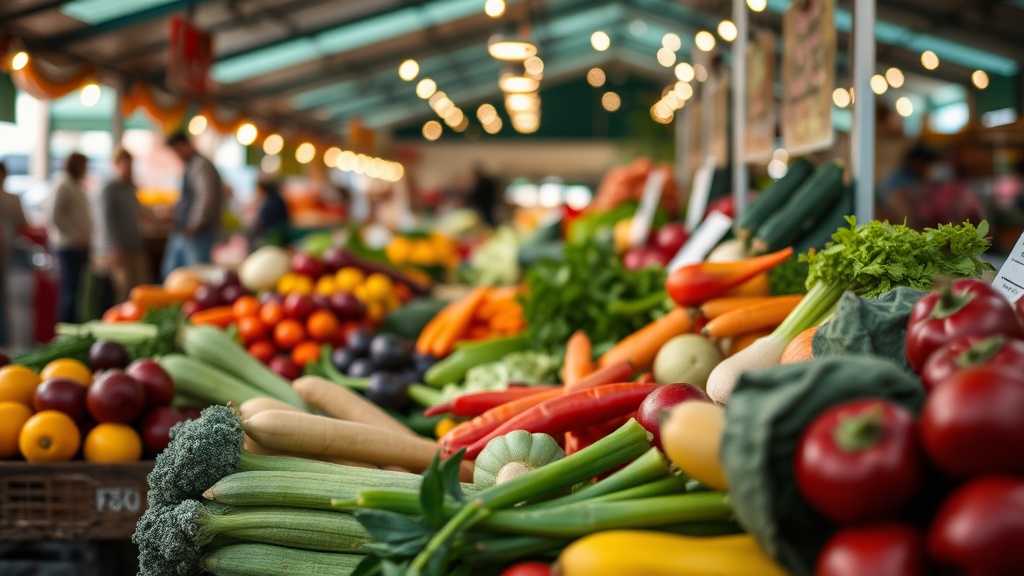
Finding the Best Seasonal Produce at Brampton Farmers Markets

Most people think Brampton's farmers markets are just for casual weekend strolls or buying a single pint of strawberries. That's a mistake. If you treat these markets like a grocery store, you'll miss the real value. This guide shows you how to source high-quality, seasonal produce from local growers to ensure your kitchen stays stocked with the best Ontario-grown ingredients throughout the year.
The reality is that shopping at a local market requires a different strategy than hitting up a Loblaws or No Frills. You can't rely on predictable shelf stocking. Instead, you have to track the seasons and the specific vendors that bring the best yields to the Peel Region. It's about timing your visits to the harvest cycles.
What is the best time to shop for produce at Brampton markets?
The best time to shop is early in the morning, ideally within the first hour of the market opening. Vendors often bring their freshest, most vibrant stock right at the start of the day. If you show up an hour before closing, you might find better prices, but you'll also find much less variety.
If you're looking for the absolute pick of the crop, aim for a Saturday morning around 9:00 AM. This is when the heavy hitters arrive with the full haul. For those who want a quieter experience, mid-morning is fine—just don't expect the full selection. It's a trade-off between variety and crowd levels.
Here is a general seasonal guide for what to expect in the GTA (Greater Toronto Area) area:
- Spring (May - June): Focus on leafy greens, radishes, and early herbs. This is when the first greens from local farms start appearing.
- Summer (July - August): The peak season for berries, stone fruits (peaches, plums), tomatoes, and corn. This is the most abundant time.
- Autumn (September - October): Root vegetables, squash, apples, and hearty greens. This is when the harvest is heavy and much of it is shelf-stable.
- Winter (November - April): Primarily focuses on preserved goods, honey, and hardy storage vegetables like potatoes or onions.
Keep in mind that much of what you see is subject to the agricultural cycles of Ontario. If a heavy frost hits or a week is particularly wet, the availability changes instantly. You can't plan a menu three weeks out based on what was at the market last week.
How much does organic produce cost at local markets?
Prices at farmers markets vary significantly based on the specific item, the seasonality, and whether the produce is certified organic. While you might pay a slight premium for organic goods compared to mass-produced items at a big-box retailer, the nutritional density and flavor often justify the cost.
Expect to pay a bit more for specialized items. For example, a pint of organic blueberries might cost more than a standard pound of apples, but the quality difference is night and day. It's helpful to look at the "value" rather than just the price tag. A highly seasonal vegetable like a vine-ripened tomato is worth the extra dollar because the flavor profile is incomparable to a winter-shipped tomato.
To help you plan your budget, I've put together a rough comparison of what to expect for common seasonal items in the Peel Region:
| Produce Item | Typical Market Price (Seasonal) | Typical Grocery Store Price | Value Factor |
|---|---|---|---|
| Strawberries (Pint) | $4.00 - $6.00 | $5.00 - $7.00 | High (Freshness) |
| Heirloom Tomatoes (lb) | $3.50 - $5.00 | $4.00 - $6.00 | High (Flavor) |
| Local Honey (Jar) | $8.00 - $12.00 | $6.00 - $9.00 | Medium (Specialty) |
| Seasonal Greens (Bunch) | $3.00 - $5.00 | $2.50 - $4.00 | Low (Price-sensitive) |
One thing to note—many vendors actually offer "ugly" produce or "seconds" at a lower price. These are perfectly edible and great for soups or stews. It's a smart way to save money while reducing food waste.
Which Brampton markets offer the best variety?
The Brampton Farmers' Market (often located near the downtown core) offers the most diverse range of vendors, including specialized artisan goods and fresh produce. While other smaller community markets exist, the main market is where you'll find the widest selection of seasonal vegetables and fruits.
The variety isn't just about the vegetables. You'll see local honey producers, artisanal bread makers, and even small-batch jam creators. If you want to learn more about supporting local food systems, you might want to check out how to get involved in Brampton's community gardens. It's a great way to deepen your connection to the land.
If you are looking for a specific item, like a specific type of heirloom tomato or a particular herb, don't be afraid to ask the vendor directly. Most of these people are farmers first. They know exactly what's growing in their fields right now. They are often happy to give tips on how to store or cook their specific crops.
The variety also depends heavily on the weather. A particularly rainy June might mean fewer berries, but a great September might mean an abundance of squash and pumpkins. Always check the local weather forecast before you head out—it dictates what the farmers are bringing to the stalls.
Pro-Tips for Market Success
Don't just wander aim-lessly. Have a list, but be flexible. If a vendor has an incredible deal on zucchini, grab it—even if it wasn't on your list. That's the beauty of seasonal eating. It's often more about reacting to what is available than strictly following a meal plan.
Bring your own reusable bags and perhaps a few sturdy crates. There's nothing worse than a bruised bag of peaches at the bottom of a flimsy plastic bag. If you're buying heavy items like potatoes or squash, a more rigid container is a lifesaver. (I personally use canvas totes for my greens and wooden crates for my heavier veggies.)
Always carry some cash. While many vendors are moving toward digital payments, some smaller stalls might still prefer cash or have limited connectivity. It's better to be prepared than to walk away from a great find because your card reader failed.
If you're looking for a great way to spend a morning after your market run, you might enjoy grabbing a coffee nearby. Check out the best coffee and pastries in Downtown Brampton to round out your outing. It turns a chore into a genuine local experience.
Lastly, talk to the vendors. Ask them where their farm is located. Ask them how long the produce has been harvested. This isn't just small talk—it's how you build a relationship with your food source. You'll start to learn who the best growers are and when their specific peak seasons hit.
Steps
- 1
Check the Seasonal Calendar
- 2
Arrive Early for the Best Selection
- 3
Bring Reusable Bags and Cash