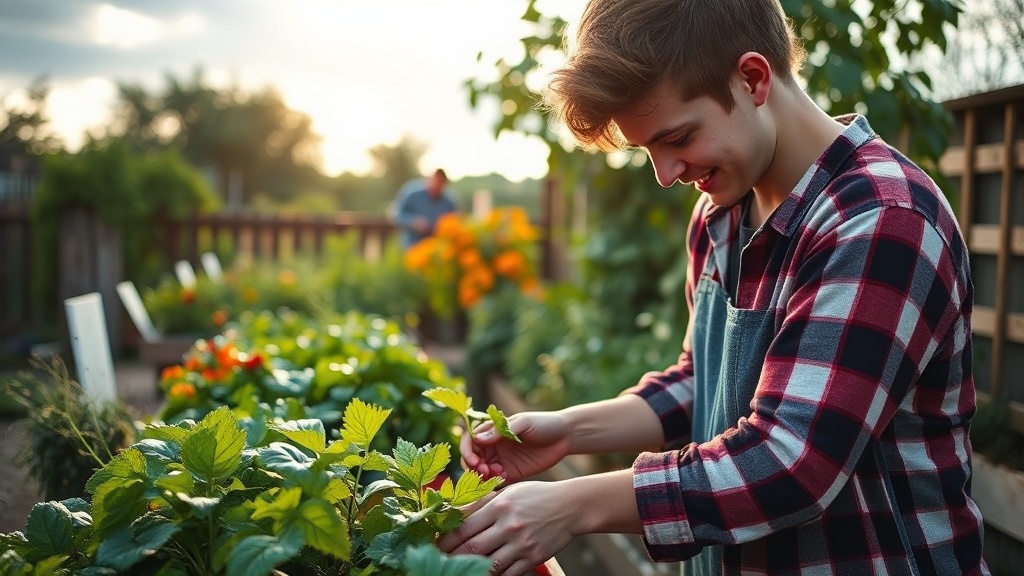
How to Get Involved in Brampton's Community Gardens and Local Food Projects

Have you ever walked past a lush green space in your Brampton neighbourhood and wondered how you could get your hands in the soil—or where to find fresh, locally-grown produce without driving to a big-box store? Brampton has quietly built one of the most active community gardening networks in the Greater Toronto Area, and if you're not already plugged in, you're missing out on one of the best ways to meet your neighbours, eat healthier, and genuinely understand what makes our city tick.
This guide covers everything you need to know about accessing Brampton's community gardens, from finding a plot near your home to understanding the seasonal rhythms that define growing here. We'll also touch on local food initiatives, urban agriculture programs, and the practical steps to turn your curiosity into participation—because in Brampton, these spaces aren't just about tomatoes and zucchini. They're about connection.
Where Can I Find a Community Garden Plot in Brampton?
Brampton's community garden program operates through the City of Brampton's Recreation division, with plots distributed across multiple parks and green spaces throughout our neighbourhoods. The most established sites include gardens at Chinguacousy Park, Professor's Lake, and several neighbourhood-specific locations in areas like Downtown Brampton and the Bramalea community.
To secure a plot, you'll need to register through the City's official community gardens page—though here's the reality: demand often outstrips supply. Plots typically open for registration in late winter or early spring (February through March), and returning gardeners usually get first priority. If you're new to the system, set a calendar reminder for January and check the City of Brampton website weekly. The registration fees are modest—usually between $30 and $60 for the season—and that includes access to shared tools, compost, and water.
Don't have a car? That's not a problem in Brampton. Many garden locations are accessible via Brampton Transit routes, particularly the gardens near major terminals like the Bramalea City Centre or downtown terminal. The Chinguacousy Park garden, for example, sits right along several major bus routes—making it feasible for residents in surrounding neighbourhoods to participate even without vehicle access.
What If I Don't Know How to Garden?
Here's the honest truth: most people who start at Brampton's community gardens didn't grow up on farms. Our city is largely suburban—many of us are first-generation Canadians or come from families where backyard gardening wasn't part of the routine. The community garden network knows this, and it's designed for beginners.
Each season, the City partners with local organizations like Seeds for Change and the Everdale Environmental Learning Centre to offer free or low-cost workshops at various Brampton locations. These sessions cover the basics: soil preparation, what grows well in our Zone 6 climate, pest management without harsh chemicals, and how to maximize small spaces. Workshops typically run on Saturday mornings from April through June at community centres like the Cassie Campbell Community Centre or the South Fletcher's Sportsplex.
But the real education happens informally—through the gardeners themselves. Walk through any Brampton community garden on a Saturday morning and you'll find retirees sharing decades of knowledge, newcomers exchanging seeds from their home countries, and families figuring it out together. There's no certification required. Show up, ask questions, and be willing to get dirt under your fingernails. That's the membership fee.
What Can I Actually Grow in Brampton's Climate?
Brampton sits in the southernmost part of Ontario's agricultural belt—our growing season typically runs from late May through early October, though experienced gardeners often push those boundaries with cold frames and row covers. What thrives here might surprise you if you're used to thinking of our city as purely suburban concrete.
Tomatoes, peppers, beans, and leafy greens do exceptionally well in Brampton's summer heat and humidity. Root vegetables like carrots and beets handle our clay-heavy soil (common in many Brampton neighbourhoods) better than you might expect—though amending your plot with compost is non-negotiable. Many local gardeners also grow cultural crops that reflect our city's diversity: bitter melon, okra, callaloo, and various Asian greens are common sights at the Chinguacousy and Bramalea garden sites.
The Brampton Library's seed lending program—available at several branches including the Four Corners Branch downtown—offers free heirloom and open-pollinated seeds adapted to our local conditions. Borrow seeds, grow your plants, save seeds from your harvest, and return them at season's end. It's a small but significant way our community preserves agricultural knowledge that's relevant to where we actually live.
Beyond the Garden Plot: Brampton's Broader Local Food Scene
Community gardens are just one entry point into Brampton's local food ecosystem. If you're not ready to commit to a full plot—or if you're on a waiting list—there are other ways to engage with food production in our city.
The Brampton Farmers' Market operates seasonally in downtown Brampton on Queen Street East, running from June through October. It's not massive, but it's genuine—vendors are required to grow or produce what they sell, which means you're actually buying from Ontario farmers, not resellers. Get there early on Saturday mornings (it opens at 7 AM) for the best selection. Parking can be tight, but the market is walkable from the Brampton GO station if you're coming via transit.
For residents in the Bramalea area, the Bramalea Farmers' Market at the community centre offers similar access to local produce without the downtown commute. Both markets accept cash and most vendors now take cards or e-transfers—Brampton's farmers have modernized along with the rest of us.
Urban agriculture initiatives are also expanding. The FoodShare Toronto partnership with local Brampton schools has established several schoolyard gardens that operate as community resources during summer months. These sites—often at schools like Lougheed Middle School or Sir William Gage Middle School—offer smaller volunteer opportunities without the season-long commitment of a personal plot.
How Do Community Gardens Build Real Neighbourhood Connections?
Here's what the City of Brampton's brochures won't tell you: the community garden program isn't really about food production. It's about creating what urban planners call "third spaces"—places that aren't home and aren't work, where organic relationships can form between people who might otherwise never interact.
In Brampton's Flower City neighbourhood, the community garden at Joyce Archdekin Park has become an unofficial meeting ground for residents from multiple apartment buildings nearby. Parents bring kids after school. Seniors exchange produce and gossip. During the pandemic, these gardens became essential outdoor social infrastructure when indoor spaces closed—and many of those connections stuck.
The gardens also serve practical neighbourhood functions that aren't officially sanctioned but are widely practiced. Extra zucchini becomes currency—traded for tomatoes, offered to neighbours, donated to local food banks. Some gardeners organize informal harvest potlucks in nearby parks. Others use their plots as teaching spaces for children who've never seen food growing in soil. In a city where many of us live in apartments or townhomes without yards, these 10x10 foot plots represent something rare: personal agency over a small piece of shared land.
There's also an unspoken mentorship that happens across cultural lines. Brampton's diversity isn't abstract in these spaces—it's embodied in the crops people choose to grow and the techniques they employ. A gardener from Jamaica might share knowledge about growing Scotch bonnet peppers; someone with roots in Punjab might demonstrate how to train bitter melon up a trellis. This isn't multiculturalism as performance. It's just people sharing what they know because they're standing next to each other for hours every weekend, waiting for seeds to sprout.
What Should I Know Before I Commit?
Community gardening in Brampton isn't a set-it-and-forget-it hobby. The City requires plot holders to maintain active cultivation—weeds spread quickly and affect neighbouring gardeners. If you let your plot go fallow, you'll lose it for the next season. Most successful gardeners visit at least twice weekly during peak growing season, which runs from late June through August.
Water access varies by location. Some Brampton gardens have dedicated taps; others require carrying water from nearby facilities. Ask about this when you register—if you have mobility limitations, certain sites will be more accessible than others. Similarly, tool storage isn't available at all locations, so you may need to transport your own shovels, rakes, and gloves each visit.
Finally, understand that gardening in Brampton means dealing with real weather and real pests. The August humidity brings powdery mildew to squash plants. Raccoons are brazen and abundant throughout our neighbourhoods. Tomato hornworms appear reliably in late July. These aren't failures—they're just part of growing food in a place that actually has seasons and wildlife. The experienced gardeners in our community have seen it all, and they're usually generous with advice when problems arise.
If you've read this far, you're probably the kind of person who should get involved. Brampton's community gardens aren't perfect—they're underfunded, occasionally disorganized, and subject to the same bureaucratic quirks as any City program. But they're also one of the few places in our sprawling city where strangers become neighbours, where the food on your plate has a story attached to it, and where you can spend a Saturday morning doing something that doesn't involve a screen or a commute. Check the City's website, sign up for a workshop, or just visit a garden site and start asking questions. The soil here is waiting.