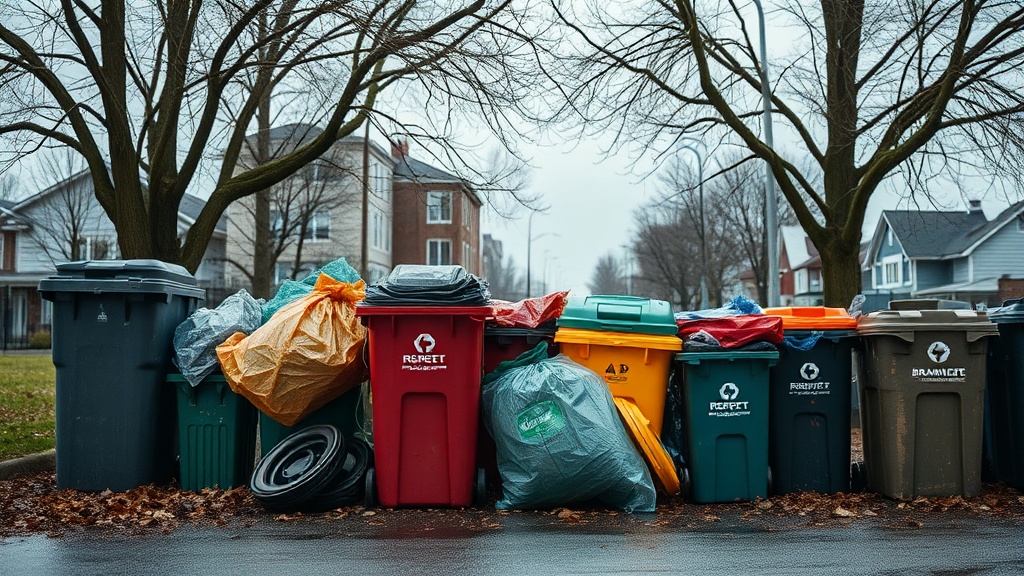
Ways to Handle Brampton Waste Collection and Recycling Properly

Looking to fix your Brampton waste collection routine?
Are you ever left scratching your head when the garbage truck rolls past your house on a Tuesday morning in Brampton? It happens to the best of us—maybe you weren't sure if that specific plastic container goes in the blue bin or the trash, or perhaps you're confused about the new sorting rules. Understanding the specific schedules and sorting requirements for our city is a small thing, but it makes a huge difference for our local environment and keeps our neighbourhoods looking clean and tidy.
In this guide, we'll walk through exactly how to manage your household waste so you don't end up with a missed pickup or a fine. We're talking about the nuances of living in Brampton, from the heavy-duty bins to the seasonal yard waste that piles up near our local parks like Sandalion Park. We'll cover the basics of the Brampton curbside collection system so you can spend less time worrying about the bin and more time enjoying our community.
Where can I find my Brampton waste collection schedule?
The most common question we hear at the blog is: "When is my garbage actually being picked up?" Because Brampton is such a large, sprawling city, different neighbourhoods have different schedules. You can't just assume your neighbour's pickup time is yours. To find your specific date, you should visit the official City of Brampton Waste Collection page. This is the only way to be 100% sure about your specific street, whether you live near Mount Pleasant or closer to downtown.
We highly recommend downloading the official mobile app provided by the city. It's a lifesaver for those of us who tend to forget the calendar. The app sends notifications to your phone the night before your scheduled pickup—this is a total lifesaver when you're busy with work or family life and the last thing you want to do is check a paper calendar. If you're living in a townhouse or a smaller unit near Brampton Central, your schedule might even differ from the detached homes further out in the suburbs.
What items go in the blue bin versus the garbage?
Sorting can feel like a chore, but doing it right ensures our local recycling facilities can actually process the materials. In Brampton, the blue bin is for things like paper, cardboard, and certain plastics. However, many people get tripped up by things like glass or certain types of food packaging. If you're ever in doubt, it's better to put it in the garbage than to contaminate a whole batch of recycling.
- Blue Bin: Plastic bottles, aluminum cans, paper, and cardboard.
- Green Bin: Food scraps, yard waste, and even certain biodegradable items.
- Garbage: Non-recyclable plastics, broken ceramics, and general household waste.
If you find yourself with a lot of extra items—like old furniture or bulky electronics—don't just leave them on the curb. The city has specific rules for large item pick up. Leaving a broken sofa on the side of a street in a Brampton neighbourhood like Castlemore can lead to complaints and even fines. Always check the city guidelines for bulky item collection to ensure you're following the rules of our community.
How do I deal with yard waste and seasonal items in Brampton?
Depending on where you live in Brampton, your yard waste needs might change. If you're near the more residential areas with larger lots, you'll likely deal with more leaves and branches during the autumn. The city provides specific instructions for yard waste, which is vital for keeping our local streets clear and preventing clogs in the drainage systems during heavy rains.
During the spring and fall, you might see more people using the green bin for organic matter. It's important to remember that certain items, like certain types of wood or heavy branches, might need to be handled differently. We've seen people get confused about what counts as "organic"—if it's not food-based or a standard yard item, it probably shouldn't go in the green bin. This keeps our local composting processes working smoothly.
If you're moving or cleaning out a basement and have a mountain of stuff, consider looking into the local drop-off options. There are specific sites and events where you can responsibly dispose of things that don't fit in your standard bins. This is a much better way to serve our community than simply tossing everything into a landfill. You can check the Brampton waste website for a list of local drop-off locations and rules for hazardous materials like paint or batteries.
| Waste Type | Primary Container | Key Rule |
|---|---|---|
| Food Scraps | Green Bin | No plastic bags inside |
| Paper/Cardboard | Blue Bin | Flatten boxes first |
| Glass/Metal | Blue Bin | Rinse out food residue |
| General Trash | Garbage Bin | Don't overfill the lid |
Keeping our Brampton streets clean is a collective effort. Whether you're living in a high-rise near the transit hubs or a single-family home in Peel Region, following these simple steps ensures our city remains a great place to live. It's all about being a good neighbour and taking care of the local-level details that keep our community running.