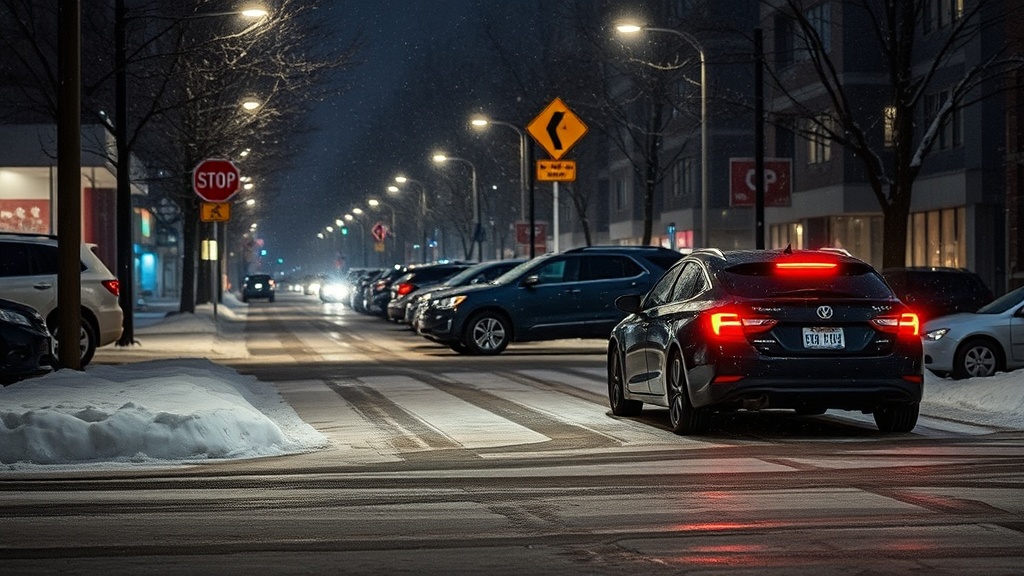
How to handle Brampton's Winter Parking Bans Without Getting Towed

What Are Brampton's Winter Parking Rules—and When Do They Apply?
Did you remember to move your car before the snow started falling? If you're scrambling at midnight during a Brampton snowstorm, you're not alone. Every winter, hundreds of Brampton residents wake up to find their vehicles have vanished—towed away during the city's overnight parking ban, leaving them with unexpected bills and a very inconvenient morning.
From November 1 through April 15, Brampton enforces strict winter parking restrictions designed to keep our streets clear for snow plows and emergency vehicles. The rules are simple on paper: no parking on city streets between 2 AM and 6 AM when a snow event is declared. But the reality—knowing when a ban is active, where exactly it applies, and what happens if you forget—is where Brampton residents often get caught off guard. This guide breaks down exactly how to stay on the right side of the city's snow clearing operations.
Where Exactly Can't You Park During a Brampton Snow Emergency?
When Brampton declares a winter parking ban, it applies to every city street—residential, arterial, and downtown. That quiet cul-de-sac near you? Covered. Main Street North through the downtown core? Definitely covered. The stretch along Queen Street East by the Brampton GO Station? Same rules apply.
Here's the distinction that trips people up: the overnight parking restriction (2 AM to 6 AM) runs throughout the entire winter season regardless of whether snow is falling. But when Environment Canada forecasts significant snowfall—or when accumulation hits certain thresholds—the city activates an extended parking ban that can last 24 hours or more. During these declared snow emergencies, you cannot park on any Brampton street at any time until the city lifts the ban. That means no "just running inside for a minute" parking, no visitor parking, no exceptions.
Private lots—like those at Bramalea City Centre or the parking structures near Garden Square—operate under their own rules. But if you're parked on any street maintained by the City of Brampton, you're subject to the ban. This includes those side streets off Kennedy Road, the residential stretches near Heart Lake Conservation Park, and every avenue throughout the Mount Pleasant and Castlemore neighborhoods.
How Do You Know When Brampton Declares a Parking Ban?
The city doesn't send someone to knock on your door. You've got to know where to look—and check it before you head to bed.
Brampton posts winter parking ban announcements on several official channels. The city's Winter Parking webpage updates in real-time when restrictions are active. You can also sign up for Brampton Alert notifications—the city's emergency notification system—to get texts or emails the moment a ban is declared. These alerts are your best friend when the forecast shifts at 10 PM and you're already in pajamas.
The city also posts updates on its official X (Twitter) account and Facebook page, though social media shouldn't be your primary source—algorithms can bury critical posts, and you don't want to miss a ban because you didn't scroll far enough. Local news outlets like The Brampton Guardian typically report on major snow emergencies, but their coverage might lag behind the city's direct announcements.
Here's a practical habit that saves Brampton residents every winter: check the forecast before dinner. If Environment Canada is calling for 5 cm or more of snow, assume a parking ban is coming. Move your car to a driveway, garage, or off-street lot by 10 PM—and you'll sleep soundly while your neighbors are racing outside in slippers at 1 AM.
What Happens If Your Car Gets Towed in Brampton?
If the city tows your vehicle during a winter parking ban, it's not sitting at the curb down the street. Brampton contracts with private towing companies that move vehicles to impound lots—and getting your car back requires time, documentation, and money you weren't planning to spend.
First, call the City of Brampton's Contact Centre at 311 (or 905-458-4588 from outside the city). They can confirm whether your car was towed by the city and which impound lot has it. You'll need your license plate number, vehicle make and model, and the location where it was parked. Don't assume it was stolen—verify the tow first.
Retrieval costs add up quickly. The base tow fee typically starts around $200, with daily storage charges accumulating at the impound lot. You'll also need valid ID, proof of ownership, and payment (most lots accept credit cards or debit) to get your vehicle released. If your car was towed overnight, you might not be able to retrieve it until the next business day—meaning you're without transportation for work, school runs, or whatever Brampton morning routine you're supposed to be handling.
There's also the matter of where your car was towed from. If it was blocking a snow route or emergency access point, you might face additional fines beyond the standard tow fees. The city takes these restrictions seriously—snow plows can't clear streets properly when cars are in the way, and that affects every resident trying to get to work on Main Street or handle the intersection at Steeles Avenue and Hurontario the next morning.
How Can Brampton Residents Prepare Before the Snow Hits?
The best time to think about winter parking is when the leaves are still falling—not when there's white stuff accumulating on your windshield.
If you live in a Brampton neighborhood with limited driveway space (looking at you, older sections near downtown and the historic district off Queen Street), start coordinating now. Talk to neighbors about driveway sharing during storms. Some residents rent spots in private lots for the winter months—churches, businesses, and condo buildings sometimes offer overnight parking for a seasonal fee. It's worth asking around in your specific Brampton community.
Keep a winter parking kit in your car: an ice scraper, a small shovel, and a note with the city's 311 number and your go-to impound lot address. If you do get towed, having this information handy saves precious time when you're already stressed. Also, bookmark Brampton's winter parking page on your phone's browser for one-tap access.
Consider your daily commute, too. If you park on the street near Brampton Transit stops—like the ones along Main Street or near the Bramalea Terminal—remember that snow bans affect your ability to leave your car for the day. Plan alternative parking for those morning bus rides, or arrange carpools during forecasted storms. The 501 Züm bus down Queen Street won't wait while you deal with a towed vehicle.
Lastly, be a good neighbor. If you see someone on your street who might not know about an active parking ban—the elderly resident who doesn't use social media, the new family who just moved in—give them a heads-up. Brampton's winter parking rules work best when our community looks out for each other. A quick knock on the door or a friendly text can save someone hundreds of dollars and a world of hassle.
Winter in Brampton is already challenging enough without adding a towed car to the mix. Stay informed, move your vehicle early, and help keep our streets clear for the plows that keep this city moving.